Biome Project Temperate Seasonal Forest
Living Biome Profile

Temperate Seasonal Forest

Also called the Temperate Deciduous Forest, this biome has four distinct seasons and forests dominated by trees that drop their leaves in autumn and regrow them in spring.

It’s one of the most visually dynamic environments on Earth offering something completely different every time you visit.

Enjoy lush green spring growth, fiery autumn color, and quiet snowy winter scenes as the forest shifts with the seasons.

Perfect for travelers seeking natural beauty that transforms with each season from wildflower springs to golden autumn hikes.

Alternative Name
Temperate Deciduous Forest
Average Temperature
~10°C (50°F)
Average Precipitation
75-150 cm/year
Season Cycle
4 seasons from winter to fall
Rain through the year Snow in winter Leaves drop and regrow Ever changing seasonal scenery
Climate System

Climate

Temperature

  • Average yearly temperature is around 10°C (50°F).
  • Summers are mild or warm, often around 21°C (70°F) on average.
  • Winters are cold and can be below freezing.

Precipitation

  • Average yearly precipitation is 75-150 cm (30-60 inches).
  • Precipitation is spread across the year, and winter precipitation often falls as snow.

Types of Precipitation

  • Rain falls throughout the year.
  • Snow is common in winter and is part of the yearly total.
  • In some areas, there can be freezing rain or ice during cold spells.
Plant Network

Vegetation

Vegetation Examples

  • Oak trees
  • Maple trees
  • Hickory trees
  • Forest floor plants: ferns, mosses, lichens, wildflowers
  • Middle layer: shrubs and young trees in the understory

Plant Adaptations

  • Leaf drop: (deciduous)trees shed leaves before winter to reduce water loss when the ground is frozen and water is harder to absorb.
  • Dormancy and protective tissues: many trees go dormant and rely on buds and thicker bark to survive freezing temperatures.

These forests are dense, colorful, and full of life especially in spring and fall when plant activity peaks.

Walk beneath towering oaks and maples, spot delicate ferns and wildflowers on the forest floor, and experience the dramatic shift from emerald canopies to brilliant reds and golds.

An oak leaf in autumn colors
Oak leaf Broad leaves are common in this biome and help capture sunlight during the growing season.
Oak leaves on a branch
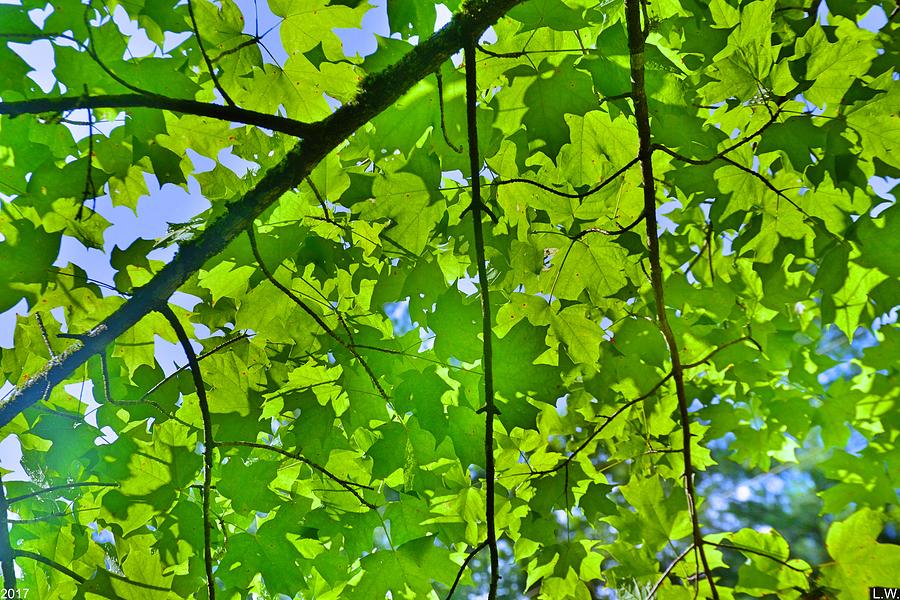
Canopy leaves Dense leaf cover creates shade and cooler forest microclimates below.
Wildlife Layer

Animals

Animal Examples

  • White tailed deer
  • American black bear
  • Red fox
  • Also common: raccoons, opossums, squirrels, owls, hawks, salamanders

Animal Adaptations

  • Hibernation or torpor: some mammals reduce activity to save energy in winter when food is limited.
  • Migration: many birds leave for warmer areas and return in spring when food increases.
  • Food caching and diet flexibility: animals store food like nuts or shift diets based on the season.

Wildlife moments

  • Visitors often experience peaceful wildlife encounters: the sight of deer grazing at forest's edge, the calls of hawks overhead, fox tracks crossing snowy paths, and the quiet rustling of small creatures in leaf litter. These moments create memorable connections with nature.
White-tailed deer in brush with tail raised
White-tailed deer A common North American temperate forest animal.
American black bear lying on grass
American black bear A well known mammal of the temperate forest biome.
Red fox sitting, facing forward
Red fox Red foxes use camouflage and seasonal coat changes to blend into the environment.